ICETC 2026 Special Sessions
The ICETC 2026 Special Sessions offer focused forums that highlight emerging trends and high-impact research across education technology and computers. Topics include but are not limited to the following themes. Each session is organized by leading researchers in the field. Authors are welcome to submit full papers or abstracts to the session that best matches their work.
Special Session Topics
| # | Special Session Title | Details |
|---|---|---|
| 1 | Education for Sustainability in the Age of AI: Challenges, Opportunities, and Impactful Practices | learn more |
| 2 | The Role of Generative Artificial Intelligence in Education: Challenges, Opportunities, and Future Directions | learn more |
| 3 | Technology-Enhanced Learning in STEM Education: Opportunities and Challenges | learn more |
| 4 | Artificial Intelligence and Educational Data Analytics: Technologies, Applications, and Trustworthy Governance | learn more |
| 5 | Digital Creativity and Design Education in the Age of Emerging Technologies | learn more |
| 6 | Human-Centered Artificial Intelligence for Personalized and Inclusive Education | learn more |
| 7 | Accessible and Inclusive Technologies for Learners with Disabilities: From Preschool to Higher Education | learn more |
| 8 | Artificial Intelligence and Data-Driven Innovation in Personalized and Gamified Educational Technology | learn more |
| 9 | Developing Future-Ready Innovation Competencies through Foresight and AI-Enhanced Education | learn more |
| 10 | AI-Driven Curriculum Engineering: Intelligent Design, Learning Analytics, and Educational Quality Assurance | learn more |
| 11 | Artificial Intelligence for Equitable, Inclusive, and Accessible Education | learn more |
Special Session 1: Education for Sustainability in the Age of AI: Challenges, Opportunities, and Impactful Practices
DescriptionThe topic of this session is Education for Sustainability in the Age of AI: Challenges, Opportunities, and Impactful Practices. The subtopics for this session are: 1. Artificial intelligence and education for sustainability: AI tools for personalized sustainability learning, AI ethics in education, and the use of data analytics to measure progress in sustainability. 2. Curriculum innovation and learning experiences in local communities: sustainability-oriented service-learning projects, partnerships with local stakeholders (governments, NGOs, businesses), and community impact assessment. 3. Assessment and accreditation of sustainability competencies: competency frameworks for sustainability, and short- and long-term impact assessments. 4. Pedagogical transformation for sustainability: problem-based learning (PBL) focused on environmental challenges, universal design for learning in sustainable education, and assessment of educational impacts in communities. 5. Interdisciplinary pedagogies for global challenges: sustainability-focused STEAM education, transdisciplinary approaches, and community-based action research projects.
Session TopicsThe topics of interest include, but are not limited to:
- Artificial intelligence and education for sustainability
- Curriculum innovation and learning experiences in local communities
- Assessment and accreditation of sustainability competencies
- Pedagogical transformation for sustainability
- Interdisciplinary pedagogies for global challenges
Submit your Full Paper or your paper abstract-without publication (200-400 words) via Online Submission System, then choose Special Session 1 (Education for Sustainability in the Age of AI: Challenges, Opportunities, and Impactful Practices)
Session Organizer Prof. Martha Nunez
Tecnologico de Monterrey, Mexico
Full Professor at Tecnologico de Monterrey, Monterrey campus, Mexico. PhD by Birmingham City University, UK, research: "Supporting the Sustainable Development of Mexico: Reorienting the Curriculum in Higher Education Toward Integrating Sustainable Development". Master's in Industrial Design and Product Innovation and Master's in Construction Engineering and Administration, Tec de Monterrey. Emerald Publishing and HETL Award for Exceptional Doctoral Research, 2024. Leader of Novus educational innovation projects (2016 to 2025). Leader of Sostek, a platform developed to promote Sustainability in higher education which won silver Latin America at the QS Reimagine Education, 2022. Experience in internationalization initiatives in higher education: global Classroom (COIL), organization of summer programs abroad, hiring of visiting professors, participation of students in international competitions, among others. International speaker on the topics of Educational Innovation and Education for Sustainable Development in countries such as the United States, United Kingdom, Denmark, the Netherlands, New Zealand, South Korea, Colombia and Sri Lanka.
Special Session 2: The Role of Generative Artificial Intelligence in Education: Challenges, Opportunities, and Future Directions
DescriptionGenerative Artificial Intelligence (GAI) is rapidly transforming the education sector by reshaping how teaching, learning, assessment, and academic support are designed and delivered. This special session aims to explore the role of GAI in education, with a particular focus on its challenges, opportunities, and future directions. The session will provide a platform for researchers, educators, practitioners, and policymakers to discuss how GAI tools can enhance personalised learning, support intelligent tutoring, improve student engagement, assist curriculum development, and enable innovative approaches to assessment and feedback.
At the same time, the session will address critical challenges associated with the adoption of GAI in educational settings, including academic integrity, data privacy, algorithmic bias, ethical use, digital inequality, teacher readiness, and the reliability of AI-generated content. Contributions are encouraged that examine theoretical, technical, pedagogical, and practical perspectives on integrating GAI into formal and informal learning environments.
The session also welcomes forward-looking studies that propose frameworks, models, policies, and best practices for the responsible and effective use of GAI in education. By bringing together diverse perspectives, this special session aims to promote meaningful discussion on how GAI can be used to support inclusive, ethical, and future-ready education.
Session TopicsThe topics of interest include, but are not limited to:
- Generative AI for personalised and adaptive learning
- Opportunities and challenges of ChatGPT and large language models in education
- Ethical, privacy, and security issues in the use of Generative AI for teaching and learning
- Generative AI for assessment, feedback, and academic writing support
- Academic integrity, plagiarism, and responsible use of Generative AI in education
- Teacher readiness, digital literacy, and professional development for AI-enabled education
- Generative AI for inclusive, accessible, and student-centred learning environments
- Future directions, policies, and frameworks for integrating Generative AI in education
Submit your Full Paper or your paper abstract-without publication (200-400 words) via Online Submission System, then choose Special Session 2 (The Role of Generative Artificial Intelligence in Education: Challenges, Opportunities, and Future Directions)
Session Organizer Asst. Prof. Sadaqat Ur Rehman
University of Salford, UK
Sadaqat ur Rehman is an Adjunct Professor in Artificial Intelligence at the London School of Innovation, London, UK. He is a highly experienced AI scientist with more than 12 years of teaching and research experience in prestigious institutes. He has taught and researched at renowned institutions such as University of Aberdeen, UK, University of Salford, UK, Tsinghua University, China and ETH Zurich, Switzerland, among others. He has also served as a supervisor for several PhD, MSc, undergraduate students and one post-doc candidate, providing guidance and support for their dissertations. He has published in renowned journals, including IEEE Transactions, ACM Transactions, Elsevier, and Springer, with more than 95 research papers and over 3350 citations, achieving an H-index of 30. He has also been named among the world's top 5% scientists in the SCI Ranking 2025. In 2021, he received the UK's Exceptional Talent endorsement as an 'Emerging Leader' for his pioneering work in the field of AI. To date, he has secured research and funding grants of more than £150K as a Principal Investigator (PI) and Co-Investigator (Co-I). In recognition of his academic excellence, he was awarded a Gold Medal for his outstanding performance in his MS degree.
Special Session 3: Technology-Enhanced Learning in STEM Education: Opportunities and Challenges
DescriptionThe rapid advancement of digital technologies is transforming STEM education, particularly engineering education, by creating new opportunities for innovative teaching, learning, and assessment approaches. This special session aims to provide a platform for researchers, educators, and practitioners to explore the role of technology-enhanced learning (TEL) in developing effective, inclusive, and future-ready STEM education.
The session will focus on emerging technologies such as artificial intelligence (AI), learning analytics, virtual and remote laboratories, digital twins, immersive technologies, and online/blended learning environments. It will highlight successful implementations, pedagogical frameworks, and evidence-based practices that enhance student engagement, collaboration, creativity, problem-solving skills, and disciplinary understanding across science, technology, engineering, and mathematics education.
In addition, the session will address key challenges associated with technology adoption, including digital accessibility, assessment strategies, academic integrity, staff readiness, ethical considerations, and institutional transformation. Contributions are invited from interdisciplinary perspectives covering STEM education, educational technology, artificial intelligence in learning, and innovative pedagogical practices.
The session aims to foster knowledge exchange and collaboration among academics, researchers, educators, and industry professionals to identify future directions for technology-enhanced STEM education and support the development of effective digital learning ecosystems.
Session TopicsThe topics of interest include, but are not limited to:
- Artificial intelligence and generative AI applications in STEM education
- Learning analytics and data-driven approaches for improving STEM learning outcomes
- Virtual, remote, and augmented reality laboratories for STEM learning
- Digital twins and simulation-based learning environments
- Blended, online, and active learning approaches in STEM education
- Technology-enhanced assessment, feedback, and student engagement strategies
- Challenges, ethics, accessibility, and sustainability of digital transformation in STEM education
Submit your Full Paper or your paper abstract-without publication (200-400 words) via Online Submission System, then choose Special Session 3 (Technology-Enhanced Learning in STEM Education: Opportunities and Challenges)
Session Organizer Dr. Zia ur Rehman
University of Derby, UK
Dr. Zia ur Rehman is a Professional Engineer, Fellow of the Higher Education Academy (FHEA), and an accomplished researcher with over a decade of experience in higher education teaching and high-impact research across the UK, China, and Pakistan. Recognized among the world's top 2% of scientists in Stanford University's global database and acknowledged as a global talent in civil and geotechnical engineering by the Royal Academy of Engineering, his expertise spans civil engineering, geotechnical engineering, artificial intelligence, and interdisciplinary STEM innovation.
Dr. Rehman's research integrates advanced computational approaches, AI, mathematical modelling, environmental science, and sustainability to address complex challenges in civil and geotechnical engineering and other STEM domains. His doctoral research at world leading Tsinghua University received the Outstanding Doctoral Dissertation Award, contributing novel advances in the constitutive modelling of soil-structure interactions. He has authored over 80 peer-reviewed research publications in leading international journals.
Dr. Rehman has extensive experience in engineering education, curriculum development, teaching innovation, and technology-enhanced learning. He has designed and delivered undergraduate and postgraduate courses and supervised numerous research dissertations. He currently serves on editorial boards of international journals, including Infrastructure and AI in Sustainable Built Environment, and contributes as a reviewer, editor, conference committee member, and organiser of international workshops and special sessions. His work promotes the integration of emerging technologies, artificial intelligence, and digital transformation to advance research, education, and innovation within civil and geotechnical engineering and the broader STEM community.
Special Session 4: Artificial Intelligence and Educational Data Analytics: Technologies, Applications, and Trustworthy Governance
DescriptionArtificial intelligence (AI) and educational data analytics are reshaping teaching, learning, assessment, and educational management by enabling intelligent, personalized, and data-driven educational services. Recent advances in large language models, multimodal AI, intelligent tutoring systems, learning analytics, and educational data mining have significantly improved learning experiences and instructional effectiveness. At the same time, these technologies introduce new challenges concerning data privacy, algorithmic fairness, transparency, cybersecurity, ethical AI, and trustworthy governance.
This special session aims to provide an interdisciplinary forum for researchers, practitioners, and educators to present recent advances in AI-enabled educational technologies, educational data analytics, intelligent learning systems, and responsible AI governance. The session welcomes theoretical research, innovative methodologies, intelligent systems, practical applications, and empirical studies that contribute to trustworthy and sustainable digital education.
Particular attention will be given to AI-powered learning environments, multimodal educational intelligence, adaptive learning systems, educational data governance, learning analytics, intelligent assessment, privacy-preserving technologies, and responsible AI deployment. By bringing together researchers from computer science, educational technology, artificial intelligence, data science, and digital governance, this session seeks to foster interdisciplinary collaboration and promote innovative educational technologies that are intelligent, secure, trustworthy, and learner-centered.
Session TopicsThe topics of interest include, but are not limited to:
- Artificial Intelligence for Education
- Large Language Models and Generative AI in Education
- Intelligent Tutoring Systems and Adaptive Learning
- Learning Analytics and Educational Data Mining
- Educational Data Analytics and Predictive Learning
- Multimodal AI and Intelligent Human–Computer Interaction
- AI-based Assessment and Intelligent Feedback
- Educational Data Governance, Privacy, Security, and Trustworthy AI
Submit your Full Paper or your paper abstract-without publication (200-400 words) via Online Submission System, then choose Special Session 4 (Artificial Intelligence and Educational Data Analytics: Technologies, Applications, and Trustworthy Governance)
Session Organizers Lecturer Jianxun Guo
Nanjing University of Finance and Economics, China
Jianxun Guo is a Lecturer and Master's Supervisor at the School of Law, Nanjing University of Finance and Economics, China. He received his Ph.D. in Law from the University of Exeter, UK. His research focuses on AI governance, educational data governance, digital governance, insurance law, and the regulation of emerging technologies. He has published extensively on AI-enabled educational systems, privacy impact assessment (DPIA), blockchain-based educational governance, trustworthy learning analytics, and digital transformation in higher education. His recent work promotes interdisciplinary collaboration between law, artificial intelligence, and educational technology.
 Lecturer Meng Xu
Nanjing University of Finance and Economics, China
Meng Xu is a Lecturer and Master's Supervisor at the School of Law, Nanjing University of Finance and Economics, China. She received her Ph.D. in Law from the University of Exeter, UK. Her research interests include technology law, data governance, smart ports, cross-border data flows, and AI governance. She has published research on data governance, blockchain-enabled educational systems, generative AI governance, and digital transformation in higher education. Her work emphasizes responsible innovation, legal governance, and trustworthy digital ecosystems.
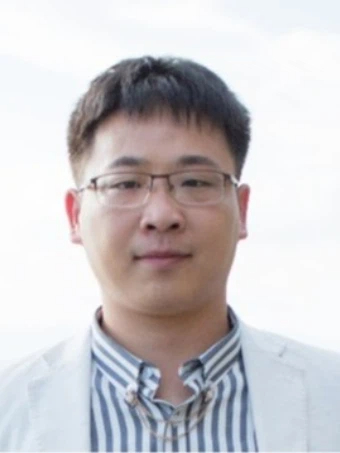 Assoc. Prof. Fan Yang
Nanjing University of Finance and Economics, China
Fan Yang is an Associate Professor and Master's Supervisor at the School of Information Engineering, Nanjing University of Finance and Economics, China. He is a recipient of the Young Scholars Support Program and Young Outstanding Talent Program of the university. His research interests include artificial intelligence, multimodal learning, computer vision, data mining, intelligent human-computer interaction, and AI for medical research. He has led projects funded by the National Natural Science Foundation of China and has published extensively in leading AI and computer science venues, including AAAI, Pattern Recognition, IEEE Transactions on Circuits and Systems for Video Technology, Information Sciences, and Knowledge-Based Systems. His research bridges advanced AI technologies with real-world intelligent applications.
Special Session 5: Digital Creativity and Design Education in the Age of Emerging Technologies
DescriptionThe rapid advancement of emerging technologies is reshaping creative practice and transforming the landscape of digital creativity and design education. Technologies such as artificial intelligence (AI), extended reality (XR), immersive media, creative coding, cloud-based collaboration, and interactive platforms are influencing how students create, communicate, and solve design problems. As these innovations become increasingly integrated into professional practice, educators and institutions must rethink curricula, teaching strategies, and assessment methods to prepare graduates for an evolving creative economy.
This special session provides an interdisciplinary forum for researchers, educators, designers, artists, and industry professionals to explore innovative approaches to teaching and learning in digital creativity and design. The session welcomes theoretical, empirical, and practice-based research that examines curriculum innovation, design thinking, multimedia arts education, visual communication, animation, digital illustration, UI/UX design, interactive media, creative technologies, digital storytelling, and learner-centered pedagogies. Contributions addressing ethics, accessibility, sustainability, intellectual property, academic integrity, and the responsible use of emerging technologies in creative education are also encouraged.
By fostering dialogue across education, technology, and the creative industries, this session aims to identify emerging trends, share effective practices, and promote collaborations that strengthen digital creativity and design education. Ultimately, the session seeks to inspire innovative educational models that empower learners with the creative, technical, and critical thinking competencies needed to thrive in the rapidly evolving digital landscape.
Session TopicsThe topics of interest include, but are not limited to:
- Digital Creativity, Multimedia Arts, and Design Education
- Artificial Intelligence (AI) and Emerging Technologies for Creative Learning
- Interactive Media, User Experience (UX), and Human-Centered Design
- Curriculum Innovation and Pedagogical Approaches in Digital Design Education
- Digital Storytelling, Visual Communication, and Creative Content Development
- Immersive Technologies (AR, VR, XR) and Experiential Learning
- Ethics, Accessibility, and Responsible Innovation in Creative Technologies
- Industry Collaboration, Future Skills, and Workforce Readiness in Creative Education
Submit your Full Paper or your paper abstract-without publication (200-400 words) via Online Submission System, then choose Special Session 5 (Digital Creativity and Design Education in the Age of Emerging Technologies)
Session Organizer Dr. Carlito O. Loyola Jr.
National University, Philippines
Dr. Carlito O. Loyola Jr. is an educator, researcher, and academic leader, currently pursuing a PhD in Multimedia Arts at Mapúa University. He holds a Doctor of Education in Educational Management from National University, where he received the Best Dissertation Award, and a Master of Multimedia Arts from Mapúa University, earning the Best Thesis Award. He also graduated with a Bachelor of Communication Arts from Colegio de San Juan de Letran Calamba. He serves as External Vice President of the Multimedia Arts Association of the Philippines and Program Chair for Multimedia Arts at NU Laguna, where he drives curriculum innovation and creative industry collaboration. Recognized as the Consistent Outstanding SAS Faculty from AY 2022–2023 to AY 2024–2025, Dr. Loyola is also an Adobe Certified Professional and Microsoft Certified Educator. He has published seven Scopus-indexed research works spanning educational technology, gamification, mobile applications, and digital media for learning. In 2024 and 2025, he was awarded at Gawad Pantas as the Most Productive Researcher, underscoring his commitment to excellence in education and multimedia arts.
Special Session 6: Human-Centered Artificial Intelligence for Personalized and Inclusive Education
DescriptionArtificial intelligence (AI) and intelligent learning technologies are transforming education by enabling more personalized, adaptive, and engaging learning experiences. This special session aims to bring together researchers and practitioners working at the intersection of AI, learning sciences, and educational technology to present innovative approaches that enhance teaching, learning, and assessment across diverse educational contexts.
The session welcomes research on human-centered AI, intelligent tutoring systems, learning analytics, educational data mining, gamification, adaptive learning, learner modeling, and immersive learning environments. It also encourages contributions on explainable and trustworthy AI, student engagement, motivation, self-regulated learning, and AI-driven educational interventions that support diverse learners and promote inclusive and accessible education.
By fostering interdisciplinary dialogue, this special session seeks to showcase emerging research and practical applications that leverage AI and intelligent technologies to create effective, equitable, and learner-centered educational experiences while addressing current challenges in digital education.
Session TopicsThe topics of interest include, but are not limited to:
- Intelligent Tutoring Systems and Adaptive Learning
- Learning Analytics and Educational Data Mining
- Human-Centered AI for Education
- Personalized and Inclusive Learning Technologies
- AI for Student Engagement, Self-Regulated Learning, and Well-being
- Educational Games, Gamification, and Immersive Learning
- Personalized Learning and Learner Modeling
- AI for Inclusive and Accessible Learning
Submit your Full Paper or your paper abstract-without publication (200-400 words) via Online Submission System, then choose Special Session 6 (Human-Centered Artificial Intelligence for Personalized and Inclusive Education)
Session Organizer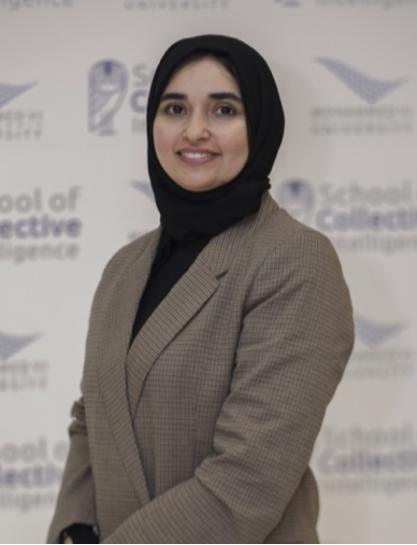 Asst. Prof. Fatima-Ezzahra Benmarrakchi
Mohammed VI Polytechnic University (UM6P), Morocco
Fatima-Ezzahra Benmarrakchi is an Assistant Professor at the School of Collective Intelligence (SCI) at Mohammed VI Polytechnic University (UM6P), Morocco and the Founding Director of the HAIIL Research Lab (https://www.haiil-lab.com). She holds a Ph.D. in Computer Science from Chouaib Doukkali University and a Master's degree in Pedagogical Engineering and Multimedia Design.
Her research lies at the intersection of artificial intelligence, education, and learning sciences, with a particular focus on human-centered AI, intelligent learning technologies, learning analytics, adaptive learning, gamification, and educational data mining. She is interested in designing and evaluating AI-driven educational systems that enhance learner engagement, personalization, and self-regulated learning while supporting inclusive and accessible education. Her work also explores explainable AI, learner modeling, and the use of intelligent technologies to improve learning experiences across diverse educational contexts.
LinkedIn: https://www.linkedin.com/in/fz-benmarrakchi/
Scholar: https://scholar.google.com/citations?user=Ge5UxFMAAAAJ&hl=fr
Special Session 7: Accessible and Inclusive Technologies for Learners with Disabilities: From Preschool to Higher Education
DescriptionEducational technologies are transforming learning across all educational levels; however, their accessibility and practical value for learners with disabilities depend not only on technical innovation but also on inclusive design, usability, educational context, and stakeholder participation. This special session examines the design, implementation, evaluation, and lived use of accessible and inclusive educational technologies from preschool to higher education. It welcomes research on assistive technologies, digital learning platforms, AI-supported applications, Universal Design for Learning, accessible and multimodal content, and distance, online, and blended education. Contributions may address a wide range of learners, including learners with autism spectrum disorder, learners with intellectual disabilities or learning disabilities, and learners with visual, hearing, physical, motor, or multiple disabilities.
Rather than viewing technology solely as innovation, the session places particular emphasis on lived experiences of technology use and on the barriers, adaptations, and successful practices encountered in authentic educational settings. The session invites empirical, design-based, practice-oriented, and case-study research examining accessibility, usability, engagement, learning outcomes, technology adoption, teacher workload, family involvement, and equitable participation. Particular attention is given to how technologies are adapted and evaluated in authentic educational environments, how learners, educators, and families contribute to their design and implementation, and how accessible solutions support continuity and transitions across educational levels.
By bringing together researchers and practitioners from special education, educational technology, human–computer interaction, and disability studies, the session aims to develop an evidence-informed understanding of what effective inclusive digital education requires. It seeks contributions that identify barriers and facilitators, report promising practices, and offer transferable design and implementation principles for accessible learning environments.
Session TopicsThe topics of interest include, but are not limited to:
- Accessible and inclusive educational technologies across educational levels, from preschool to higher education
- Distance, online, and blended education for learners with disabilities
- Technology use and adaptation for learners with disabilities, including physical, developmental, intellectual, learning, or multiple disabilities; sensory impairments; and autism spectrum disorder
- Usability, accessibility, and user experience of digital learning tools, applications, and assistive technologies
- Educators' and families' lived experiences of technology-supported education for learners with disabilities
- AI-supported applications in practice: design, adoption, use, and educational outcomes
- Universal design for learning (UDL) and accessible multimodal digital content
- Technology-supported educational continuity, transitions, and lifelong learning
Submit your Full Paper or your paper abstract-without publication (200-400 words) via Online Submission System, then choose Special Session 7 (Accessible and Inclusive Technologies for Learners with Disabilities: From Preschool to Higher Education)
Session Organizers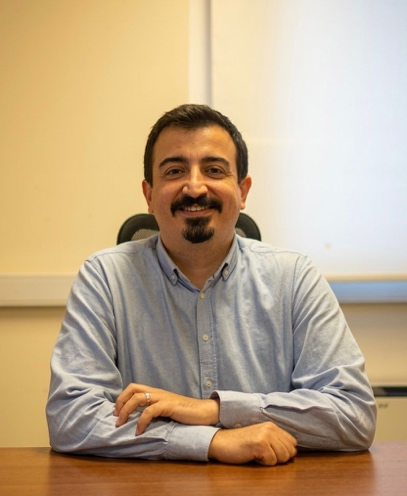 Asst. Prof. Halil Öztürk
Ege University, Turkey
Dr. Halil Öztürk is an Assistant Professor at the Department of Special Education, Ege University, Turkey. He completed his undergraduate degree in Intellectual Disability Teaching at Ankara University, his master's degree at Dokuz Eylül University, and his Ph.D. at Anadolu University, where his doctoral dissertation proposed an innovative collaborative model for inclusive education among teachers, families, and specialists.
His research primarily focuses on Autism Spectrum Disorder (ASD) and extends to teaching reading and writing skills to students with learning disabilities, professional ethics in special education, applied behavior analysis and positive behavioral supports, parental education and transition processes, and stakeholder collaboration in inclusive education. In recent years, his work has increasingly centered on the use of artificial intelligence tools in special education.
He has published in journals indexed in SCI and SSCI and regularly presents at national and international conferences in special education. He has also taken part in various national and international research projects in the field.
 Asst. Prof. Mustafa Doğuş
Anadolu University, Turkey
Dr. Mustafa Doğuş is an Assistant Professor in the Department of Special Education at Anadolu University, Türkiye, where he works in the Division of Education for the Visually Impaired and serves as Head of the Division. He earned his bachelor's and master's degrees in the education of individuals with visual impairments and his PhD in Special Education from Gazi University. His doctoral research focused on the design, development, and usability of an accessible web-based examination system.
His research interests include accessible and inclusive educational technologies, assistive and AI-driven technologies for learners with visual impairments, digital and examination accessibility, Braille literacy, tactile and multimodal learning, Universal Design for Learning, accessible STEM education, and the education of learners with visual and multiple disabilities. He has participated in projects addressing digital accessibility and examination accessibility in open and distance education. He is recently particularly interested in designing digital learning and assessment environments that support independent access and equitable participation.
His recent work examines AI-assisted materials in open and distance education, the online learning and assessment experiences of learners with visual impairments, and artificial intelligence and ethical issues in special education. He has published in national and international peer-reviewed journals, including the British Journal of Visual Impairment, and has contributed book chapters on assistive technologies, visual impairment, accessibility, and artificial intelligence in special education.
Special Session 8: Artificial Intelligence and Data-Driven Innovation in Personalized and Gamified Educational Technology
DescriptionArtificial intelligence and rich learner interaction data are reshaping how educational technology engages, adapts to, and supports students. This special session focuses on the intersection of AI-driven personalization and gamified learning: systems that use machine learning, learning analytics, and learner or player modeling to tailor content, game elements, feedback, and support to each student. The session welcomes work across the full range of digital learning environments, including Learning Management Systems, MOOCs, mobile learning, and blended classrooms. A central theme is interpretability and pedagogical grounding: as models become more capable, the field needs methods that connect behavioral patterns to established educational and motivational theory, so that personalization and gamification serve measurable learning rather than engagement for its own sake. We invite empirical studies, system and framework proposals, comparative analyses, and position papers on topics ranging from behavior-based learner profiling and player typologies such as the Hexad model, to performance prediction and retention, adaptive content recommendation, intelligent tutoring, and gamification design aligned with curriculum, assessment, and motivation theory. Contributions addressing datasets, reproducibility, privacy, ethics, and responsible deployment are particularly encouraged. The session aims to bring together researchers and practitioners from AI, learning analytics, game-based learning, and instructional design to shape the next generation of personalized and gamified educational technology.
Session TopicsThe topics of interest include, but are not limited to:
- AI-driven personalization and adaptive learning in LMSs, MOOCs, mobile learning, and blended classrooms
- Learning analytics and educational data mining from learner interaction logs
- Learner modeling, player typologies, and behavior-based profiling, including Hexad-inspired approaches
- Interpretable machine learning for engagement, performance prediction, retention, and learning support
- Intelligent tutoring systems, AI-assisted instruction, and adaptive content recommendation
- Gamification design grounded in motivation theory, feedback, assessment, and curricular alignment
- AI-supported formative assessment, feedback generation, and learner progress visualization
- Datasets, reproducibility, privacy, ethics, and responsible deployment in AI-driven educational technology
Submit your Full Paper or your paper abstract-without publication (200-400 words) via Online Submission System, then choose Special Session 8 (Artificial Intelligence and Data-Driven Innovation in Personalized and Gamified Educational Technology)
Session Organizers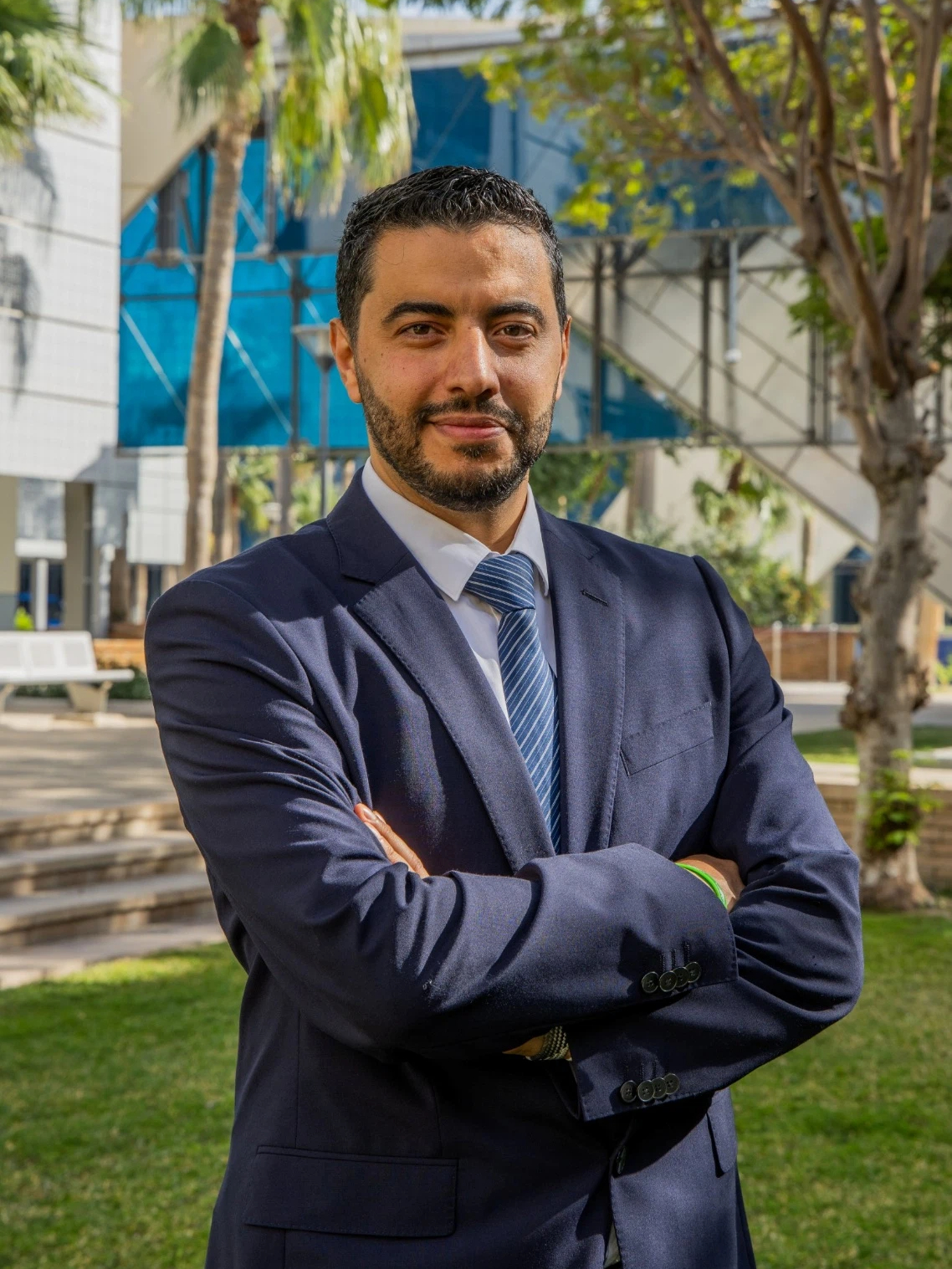 Asst. Prof. Seifeddine Bouallegue
University of Doha for Science and Technology, Qatar
Dr. Seifeddine Bouallegue is an Assistant Professor and Head of the Software Systems Department at the University of Doha for Science and Technology (UDST), Qatar. He holds a Ph.D. in Computer Science, Telecommunications and Electronics from Université Pierre et Marie Curie (Paris VI), France. His research focuses on educational technology, gamification, AI-driven personalized learning, machine learning, and learning analytics. He is the Lead Principal Investigator of a three-year, USD 700,000 Academic Research Grant from the Qatar National Research Fund on enhancing programming course outcomes through gamification and AI-driven personalized learning. His recent work spans early student performance prediction, learner classification and player typologies, and AI-enhanced e-learning, with publications in venues including IEEE Access, Information, PeerJ Computer Science, Electronics, and Springer LNDECT, as well as the ICETC conference series. Alongside his academic career, he brings industry and innovation experience as Co-Founder and CTO of E-Butler Technologies, as Co-Founder of Enable Tech, and as Digital Innovation Manager at Qatar University. His contributions have been recognized with the UDST Excellence in Research Award (2025). He serves the research community as Co-Chair of the Software Engineering and AI track at the ACM Symposium on Applied Computing (SAC) 2026, as a peer reviewer for IEEE Access, and as a member of IEEE and ACM.
 Asst. Prof. Vanilson De Arruda Burégio
University of Doha for Science and Technology, Qatar
Dr. Vanilson De Arruda Burégio is an Assistant Professor of Software Engineering in the College of Computing and Information Technology at the University of Doha for Science and Technology (UDST), Qatar. He holds a Ph.D. and an M.Sc. in Computer Science from the Informatics Center of the Federal University of Pernambuco (CIn-UFPE), Brazil. His research interests include software engineering, software architecture, software reuse, APIs, and web-based social systems, an area in which he helped advance the concept of social machines. Before joining UDST, he was an Associate Professor at the Federal Rural University of Pernambuco, Brazil, and combined his academic career with more than a decade of industry experience as a software architect, researcher, and team leader in organizations including SERPRO and C.E.S.A.R. His teaching spans programming, software architecture, component-based development, and software testing.
 Assoc. Prof. Tewfik Ziadi
University of Doha for Science and Technology, Qatar
Dr. Tewfik Ziadi is an Associate Professor of Software Engineering in the College of Computing and Information Technology at the University of Doha for Science and Technology (UDST), Qatar. He received his Ph.D. in Computer Science from the University of Rennes 1, France, and his HDR (Habilitation) from Université Pierre et Marie Curie (Paris VI), France. Before joining UDST, he was an Associate Professor at Sorbonne University in Paris, where he led the MoVe research team at the LIP6 laboratory. His research focuses on software product line engineering, variability management, model-driven engineering, and software reuse, with contributions ranging from behavioral model inference to open-source tools such as But4Reuse. He served as Co-General Chair of the Software Product Line Conference (SPLC 2019), coordinated the European ITEA REVAMP2 research project, and has served on numerous international program committees.
Special Session 9: Developing Future-Ready Innovation Competencies through Foresight and AI-Enhanced Education
DescriptionRapid technological, economic, environmental, and societal transformations require education to prepare students not only to address current challenges but also to anticipate change, identify emerging opportunities, and develop responsible and innovative solutions. Foresight and artificial intelligence offer complementary capabilities for achieving this goal: foresight provides systematic approaches for exploring trends and alternative futures, while AI can enhance information discovery, analysis, ideation, experimentation, and decision-making.
This special session will provide an interdisciplinary forum for researchers, educators, instructional designers, and industry practitioners to examine how foresight and AI-enhanced education can contribute to the development of future-ready innovation competencies. These competencies include opportunity identification, critical and systems thinking, creativity, technological awareness, strategic decision-making, collaboration, and the ability to transform evidence into valuable solutions.
The session welcomes theoretical, empirical, and practice-based contributions addressing the integration of horizon scanning, trend analysis, scenario development, technology mapping, technology roadmapping, and scientific and patent information analysis into educational environments. It also invites research on how generative AI and other emerging technologies can support these processes while preserving human judgment, ethical responsibility, and intellectual rigor.
Diverse teaching-learning approaches are encouraged, including challenge-based, project-based, collaborative, experiential, interdisciplinary, and problem-based learning. Contributions may also examine methods for assessing innovation and foresight competencies through analytical rubrics, portfolios, learning analytics, performance-based assessments, and pre–post evaluation designs.
By integrating foresight and artificial intelligence into innovation education, this session seeks to advance evidence-based educational models that empower learners to anticipate emerging changes, envision alternative futures, and develop responsible solutions to complex technological, organizational, environmental, and societal challenges.
Session TopicsThe topics of interest include, but are not limited to:
- Foresight and future-oriented competencies in education
- AI-enhanced pedagogical approaches for developing innovation competencies
- Horizon scanning, trend analysis, and opportunity identification for learning
- Scenario development and technology roadmapping in educational contexts
- Competitive and Technology Intelligence as a foundation for innovation learning
- Challenge-based, project-based, collaborative, and experiential learning approaches for innovation
- Assessment of foresight and innovation competencies
- Responsible and ethical use of AI in future-oriented education
Submit your Full Paper or your paper abstract-without publication (200-400 words) via Online Submission System, then choose Special Session 9 (Developing Future-Ready Innovation Competencies through Foresight and AI-Enhanced Education)
Session Organizer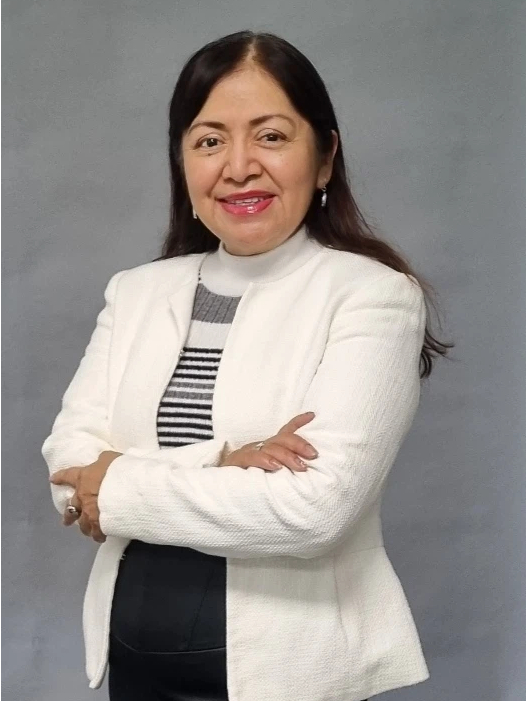 Prof. Marisela Rodriguez Salvador
Tecnológico de Monterrey, Mexico
Dr. Marisela Rodriguez Salvador holds a PhD in Business Administration and Management, awarded Summa Cum Laude by the Universitat Politècnica de Catalunya, Spain. She is a professor at the School of Engineering and Sciences at Tecnológico de Monterrey, Mexico, and holds Level III—the highest distinction—within Mexico's National System of Researchers (SNII). Dr. Rodriguez Salvador belongs to the Distinctive Circle of Professors at Tecnológico de Monterrey. She is also the founder and head of the Competitive and Technology Intelligence for Innovation Unit, established in 2001. Through this unit, she has supported more than 100 organizations worldwide in strengthening their innovation strategies and decision-making processes.
Her expertise encompasses foresight, Competitive and Technology Intelligence, scientometrics, patent analytics, technology mapping, technology roadmapping, innovation management, and emerging technology assessment. Her research integrates scientific, technological, competitive, and market intelligence to identify innovation opportunities across healthcare, biotechnology, food, manufacturing, advanced materials, education and other strategic sectors, including the integration of innovative educational technologies.
Dr. Rodriguez Salvador has extensive experience in higher education and educational innovation. Her teaching incorporates challenge-based, collaborative, and technology-enhanced learning to develop students' innovation, critical thinking, and strategic decision-making competencies. She holds a professional certification in collaborative learning and has designed educational interventions involving generative AI, analytical rubrics, and competency-based assessment.
She has presented her research and innovative teaching practices at various international conferences focused on teaching-learning, and emerging technologies. Recently, she served as Session Chair at the 7th International Conference on Education and E-Learning (ICEEL 2023) in Japan and received the Best Presentation Award at the International Conference on Education Technology and Computers (ICETC 2025) in Spain.
Special Session 10: AI-Driven Curriculum Engineering: Intelligent Design, Learning Analytics, and Educational Quality Assurance
DescriptionArtificial intelligence is transforming education beyond tutoring systems and personalized learning by enabling the systematic design, evaluation, and continuous improvement of curricula and courses. Educational institutions increasingly require evidence-based approaches to ensure that curricula align with learning outcomes, industry needs, accreditation standards, and student success while maintaining high instructional quality.
This special session explores the emerging field of AI-driven curriculum engineering, where artificial intelligence, natural language processing, software engineering, learning analytics, and educational data mining are integrated to model, evaluate, and optimize educational ecosystems. The session welcomes research on intelligent methods for curriculum design, syllabus analysis, course quality evaluation, learning management system (LMS) analytics, competency mapping, instructional effectiveness, and automated educational quality assurance.
The session particularly encourages work that moves beyond traditional performance metrics such as student grades to develop comprehensive frameworks for understanding learning processes. Topics include semantic analysis of syllabi, curriculum alignment, assessment-content mapping, identification of course and curriculum bottlenecks, learning pathway optimization, educational knowledge graphs, explainable educational AI, and data-driven decision support for educators and administrators.
The objective is to bring together researchers, educators, instructional designers, AI scientists, software engineers, and educational technology practitioners to discuss innovative methodologies, intelligent tools, and practical applications that improve educational quality, learner success, and curriculum sustainability.
Session TopicsThe topics of interest include, but are not limited to:
- AI for Curriculum Engineering
- Course Design and Instructional Quality
- Intelligent syllabus generation and evaluation
- Automated course quality assessment
- Learning Analytics and LMS Intelligence
- Educational Bottleneck Analysis
- Educational Software Engineering
- Assessment and Learning Alignment
- Explainable and Trustworthy Educational AI
Submit your Full Paper or your paper abstract-without publication (200-400 words) via Online Submission System, then choose Special Session 10 (AI-Driven Curriculum Engineering: Intelligent Design, Learning Analytics, and Educational Quality Assurance)
Session Organizer Asst. Prof. Md Nour Hossain
University at Albany, State University of New York, USA
Dr. Md Nour Hossain is an Assistant Professor in the Department of Information Sciences and Technology at the University at Albany, State University of New York (SUNY), where he directs the Kernel of Nexus (KofN) AI-Driven Innovation Center. His research focuses on artificial intelligence, educational data mining, learning analytics, natural language processing, software engineering, explainable AI, immersive learning technologies, and AI-driven educational systems. His work emphasizes designing intelligent frameworks that improve curriculum development, course quality, student success, and evidence-based educational decision making. Dr. Hossain has published extensively in AI, educational technology, software engineering, and learning sciences and actively collaborates with academia and industry on advancing trustworthy and impactful AI solutions for education.
Special Session 11: Artificial Intelligence for Equitable, Inclusive, and Accessible Education
DescriptionArtificial Intelligence (AI) is reshaping education through personalized learning, adaptive support, intelligent tutoring systems, automated feedback, and enhanced access to educational resources. While these developments offer significant opportunities to improve learning experiences, they also raise important questions regarding equity, inclusion, participation, representation, and governance within educational systems. Ensuring that AI technologies benefit all learners, particularly those facing educational, linguistic, cognitive, socio-economic, cultural, or disability-related barriers, is essential for creating more equitable and inclusive learning environments.
This special session adopts a multidimensional perspective on equitable and inclusive education. It explores how AI can expand access to learning opportunities and resources, support meaningful participation and engagement for diverse learners, recognize and respond to different identities, abilities, languages, cultures, and learning needs, and promote transparent, accountable, and inclusive governance of educational technologies and data practices.
At the same time, the session critically examines the limitations and risks of AI in education. These include algorithmic bias, unequal access to digital infrastructure and AI-powered tools, the underrepresentation of diverse populations in training data, accessibility barriers, linguistic and cultural biases, privacy concerns, and the potential reinforcement of existing educational inequalities. Addressing these challenges is essential to ensuring that AI contributes to educational equity rather than exacerbating existing disparities.
The session welcomes interdisciplinary contributions examining how AI can be designed, implemented, governed, and evaluated across formal, non-formal, and lifelong learning contexts. Researchers, educators, developers, policymakers, and practitioners are invited to share empirical studies, theoretical frameworks, technological innovations, policy initiatives, and practical experiences that advance equitable, inclusive, accessible, and learner-centred education through the responsible use of AI.
Session TopicsThe topics of interest include, but are not limited to:
- AI for accessible learning environments
- AI and educational equity
- Inclusive AI for learners with disabilities and neurodivergent learners
- Accessibility and AI-supported learning
- Personalized and adaptive learning through AI
- Universal Design for Learning (UDL) and AI
- Ethical, trustworthy, and responsible AI in education
- AI for multilingual, culturally diverse, and underserved learner populations
Submit your Full Paper or your paper abstract-without publication (200-400 words) via Online Submission System, then choose Special Session 11 (Artificial Intelligence for Equitable, Inclusive, and Accessible Education)
Session Organizer Assoc. Prof. Estella Oncins
Universitat Autònoma de Barcelona, Spain
Estella Oncins holds a PhD in Accessibility and Ambient Intelligence from the Universitat Autònoma de Barcelona (UAB). She is an Associate Professor at UAB, where she leads the TransMedia Catalonia research group, and coordinates the MA in Audiovisual Translation. Her research focuses on audiovisual translation, media and digital accessibility, inclusive communication, and accessibility in immersive environments. She has published extensively in leading international journals, contributed to standardization activities, and participated in numerous European research and innovation projects, including Erasmus+ initiatives. In 2024, she received the WSIS Award in ICT Applications in E-learning for the YoungArcHers project. Her current work explores accessibility in immersive environments and the potential of artificial intelligence to support more accessible, inclusive, and equitable educational and societal experiences.